Author Archie Morris III’s titles, published with Pristine Press & Media, illustrate assisted self-publishing in practice. See all of the author’s books →
Publishing a book independently can offer authors something extremely valuable: control. But independence comes with a challenge.
Writing the book is only one part of publishing it. Editing, cover design, interior formatting, ISBNs, metadata, print production, ebook conversion, distribution, retail availability, marketing, publicity, and author branding can quickly turn a creative project into a complicated business operation.
This is one reason more writers are exploring assisted self-publishing — a publishing model that combines the independence of self-publishing with access to professional publishing services.
For authors who want professional support without giving up control of their work, assisted self-publishing can provide a practical middle ground.
What Is Assisted Self-Publishing?
Assisted self-publishing is a publishing model in which an author remains independent while working with publishing professionals to handle some or all of the specialized work required to prepare, publish, distribute, and promote a book.
The author does not have to perform every publishing function alone. Depending on the project, professional support may include:
- Editing and manuscript preparation
- Cover and interior book design
- Print and ebook formatting
- ISBN and metadata preparation
- Publishing and production management
- Book distribution, retail, and library availability
- Author websites and branding
- Book marketing and publicity
- Audiobook, video, and other media production
The precise combination depends on what an author needs. The important distinction is that receiving professional publishing assistance does not automatically require an author to give up the independence that attracted them to self-publishing in the first place.
Self-Publishing Doesn’t Have to Mean Doing Everything Yourself
One of the biggest misconceptions about self-publishing is contained in the word “self.” Authors sometimes assume that publishing independently means they must personally manage every part of the process. It doesn’t.
Consider another creative industry. An independent filmmaker may hire a cinematographer, editor, sound engineer, composer, designer, and marketing team while remaining the filmmaker responsible for the project. Independent publishing can operate similarly: an author can own and direct the work while relying on specialists for tasks requiring professional publishing expertise.
The better question therefore isn’t “Can I publish this book myself?” — modern publishing technology has made that possible for almost anyone. The better question is “Which parts should I handle myself, and where would professional support make my book stronger?” That is the problem assisted self-publishing is designed to address.
Assisted Self-Publishing vs. DIY Self-Publishing
DIY self-publishing gives authors significant control, but it also gives them significant responsibility. A fully DIY author may personally coordinate — or perform — editing, cover design, formatting, publishing setup, distribution, metadata management, advertising, marketing, and publicity.
For authors who enjoy learning every aspect of publishing, this can be rewarding. But it requires time, and it requires authors to make decisions in areas that may have little to do with their strengths as writers.
Assisted self-publishing keeps the independence of the model while allowing the author to bring professionals into the process. The author can focus more heavily on writing, subject expertise, readers, and creative direction while experienced specialists manage agreed portions of the publishing workflow.
Assisted Self-Publishing vs. Traditional Publishing
Traditional publishing operates differently. Under a conventional arrangement, a publisher acquires publishing rights to a manuscript under negotiated contractual terms and assumes responsibility for bringing the book to market.
For many writers, traditional publishing remains an attractive path. But it isn’t the only professional path. Some authors prioritize speed, control, flexibility, ownership, or the ability to decide how their work is positioned.
Others may already have a manuscript, audience, professional reputation, business, academic expertise, or established body of work, and want professional publishing infrastructure without pursuing the traditional acquisition process. Assisted self-publishing can serve those authors. It isn’t designed to imitate traditional publishing — it is designed to professionalize independent publishing.
Why Author Ownership and Control Matter
For many independent authors, ownership is one of the most important considerations when selecting a publishing model. A book can represent years — or even decades — of research, writing, professional expertise, personal experience, or creative work.
Authors should therefore understand exactly what they are agreeing to before working with any publishing company. Questions worth asking include:
- Who owns the copyright?
- What publishing rights are being granted?
- Who controls the files and creative assets?
- How are royalties handled, and who determines pricing?
- How long does the agreement last?
- What happens if the author wants to use another provider later?
- Which services are actually included?
A reputable publishing relationship should make these issues clear. At Pristine Press and Media, our assisted self-publishing philosophy is built around professional support while keeping the author at the center of the process — an author should understand not only what a company will do for their book, but also what they continue to own and control.
Where Professional Publishing Support Can Make a Difference
Professional support becomes particularly valuable at the points where readers encounter the finished book. A strong manuscript can still struggle if its presentation makes it appear unprofessional.
Cover design influences first impressions. Interior formatting affects readability. Metadata affects how books are categorized and discovered. Distribution determines where a title can become available. Author branding influences how readers understand the person behind the work. Publicity and media can create additional pathways through which readers discover both the author and the book.
None of these replaces good writing. They support it. The purpose of professional publishing services should be to help ensure that the quality and presentation surrounding a manuscript do justice to the work the author has already created.
A Real-World Example: Author Archie Morris III
Author and educator Archie Morris III, D.P.A. provides one example of how professional support can fit into an independent author’s longer publishing journey.
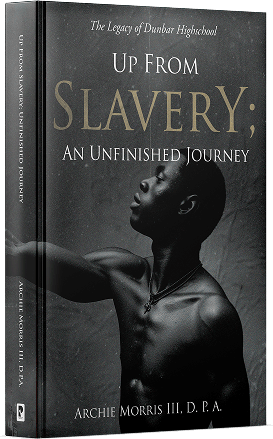
Morris is the author of Up from Slavery; an Unfinished Journey: The Legacy of Dunbar High School, a research-driven work examining the history and educational legacy of Washington, D.C.’s M Street / Dunbar High School.
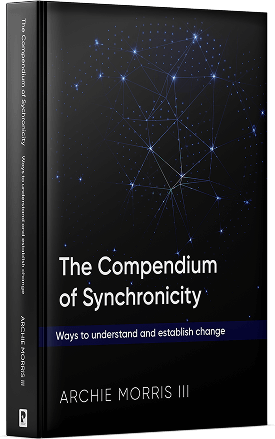
Rather than treating the original publication as the final chapter of the book’s life, Morris continued developing his publishing presence. A newer edition of Up from Slavery; an Unfinished Journey was published through Pristine Press and Media, forming part of a broader effort to support his books and author platform. His subsequent work, The Compendium of Synchronicity, has continued that relationship.
Morris’ experience demonstrates an important point about independent publishing: authors don’t necessarily need to choose between independence and professional support. They can have both.
Publishing a Book vs. Building an Author Platform
Another reason authors seek professional self-publishing support is that modern publishing increasingly extends beyond the book itself. Readers discover authors in many places: a search result, an online bookstore, an interview, a news article, a podcast, a video, a social media post, an author website, or a recommendation generated by a search engine or AI platform.
This means successful publishing strategy increasingly involves building connections between the author, the books, the subjects they write about, and the places readers encounter them online. A book launch may last weeks; an author’s platform can continue developing for years.
That is why Pristine Press and Media approaches assisted self-publishing as more than simply preparing a manuscript and making it available for sale. The objective is to help authors build a professional publishing presence around their work.
Who Is Assisted Self-Publishing Best For?
Assisted self-publishing isn’t necessarily the right option for every writer. An author who enjoys managing design, formatting, metadata, distribution, advertising, and every other publishing task may prefer a completely DIY approach. An author primarily interested in securing a traditional publishing deal may prefer querying literary agents or publishers.
But assisted self-publishing may be worth considering for authors who:
- Want to remain independent and value control over their work
- Want professional-quality production without managing every technical aspect
- Need help navigating book distribution
- Want to develop a professional author brand
- Need marketing, publicity, or media support
- Have existing books they want to reposition or support
- View publishing as a long-term author career rather than a single launch
The model can be particularly useful for professionals, academics, entrepreneurs, researchers, subject-matter experts, memoirists, and established independent authors whose time may be better spent writing and engaging with their audience than mastering every technical aspect of book production.
What Should Authors Look for in an Assisted Self-Publishing Company?
Not every publishing service operates the same way. Before selecting an assisted self-publishing company, authors should understand the relationship they are entering. Look for clarity around:
- Ownership — who owns the book and associated intellectual property?
- Services — what exactly is included?
- Costs — what will the author pay, and what could cost extra?
- Distribution — what does it actually mean, and where can the book become available?
- Royalties — how are sales and royalties handled?
- Creative control — who approves the cover, edits, and formatting?
- Marketing — what specific promotional work will be performed?
- Timeline — what happens at each stage of publication?
- Communication — who will the author work with during the process?
Authors should feel comfortable asking these questions. A publishing decision can affect a book for years.
Independent Doesn’t Have to Mean Alone
The growth of independent publishing has given authors more ways to reach readers than ever before. But having more options also means authors need to make more decisions.
Some will choose traditional publishing. Some will build their own publishing operation from the ground up. Others will want something in between: the control of independent publishing combined with professional expertise where it matters. That is where assisted self-publishing fits.
At Pristine Press and Media, we believe authors should be able to pursue professional publishing without losing sight of what made independent publishing attractive in the first place: ownership, choice, and control.
Because self-publishing doesn’t have to mean publishing by yourself. It can mean building the right professional team around your work while remaining the author at the center of it.
Frequently asked questions
Do I keep the rights to my book with assisted self-publishing?
How is assisted self-publishing different from a vanity press?
How much does assisted self-publishing cost?
Can I use assisted self-publishing for a book I already published?
Who is assisted self-publishing best for?
Explore how we help authors